Precise Temperature Control
Modern refrigerated trailers actively maintain agreed temperature ranges throughout the journey.

PolarFreeze Logistics provides refrigerated transport services for food and beverage products throughout the United Kingdom. Our approach employs temperature-controlled vehicles and monitoring systems to support the integrity of the cold chain, facilitating the managed movement of fresh and frozen goods.
Request a QuoteIn temperature-sensitive logistics, maintaining the cold chain is essential for preserving the quality and safety of perishable goods. Transporting fresh and frozen items requires continuous temperature management and careful monitoring to prevent deviations along the route. Although the specific conditions may vary, any interruption can affect the cargo and lead to loss. PolarFreeze Logistics equips its fleet with advanced refrigeration units that feature temperature control and monitoring systems, allowing real-time tracking of conditions during transit to address the intricacies of refrigerated delivery.
PolarFreeze Logistics coordinates refrigerated transport for food and beverages across the UK, with a process-oriented approach. From the initial agreement on temperature regime to point-of-sale delivery, we structure each step to support cold chain integrity. Our vehicles feature controlled temperature environments with monitoring capabilities, designed for various perishable loads. As a logistics partner, we provide the tools and procedures—not guarantees—though final outcomes can vary based on factors like cargo type and transit conditions. We ensure transparent protocols so all parties can make informed decisions.
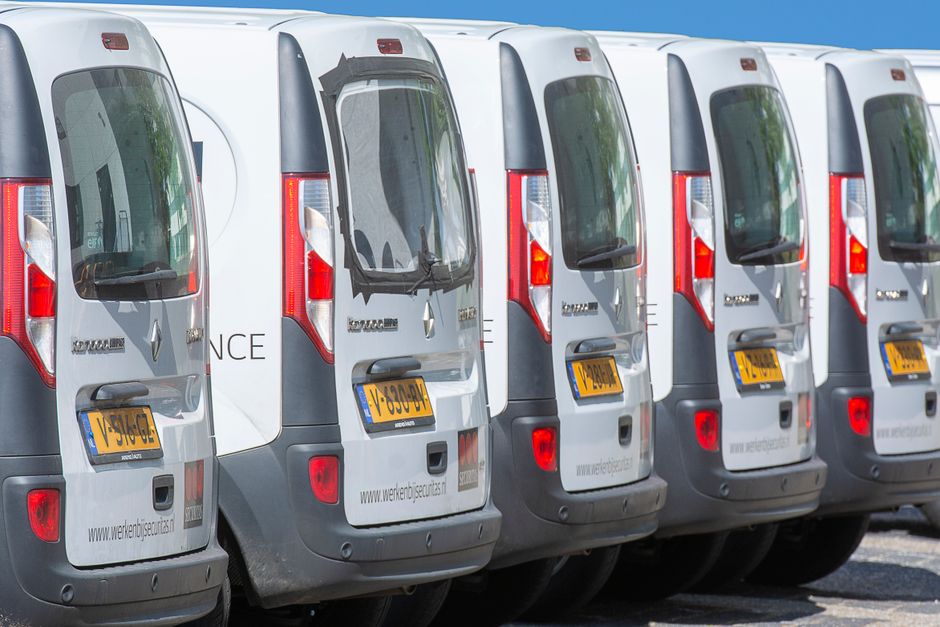
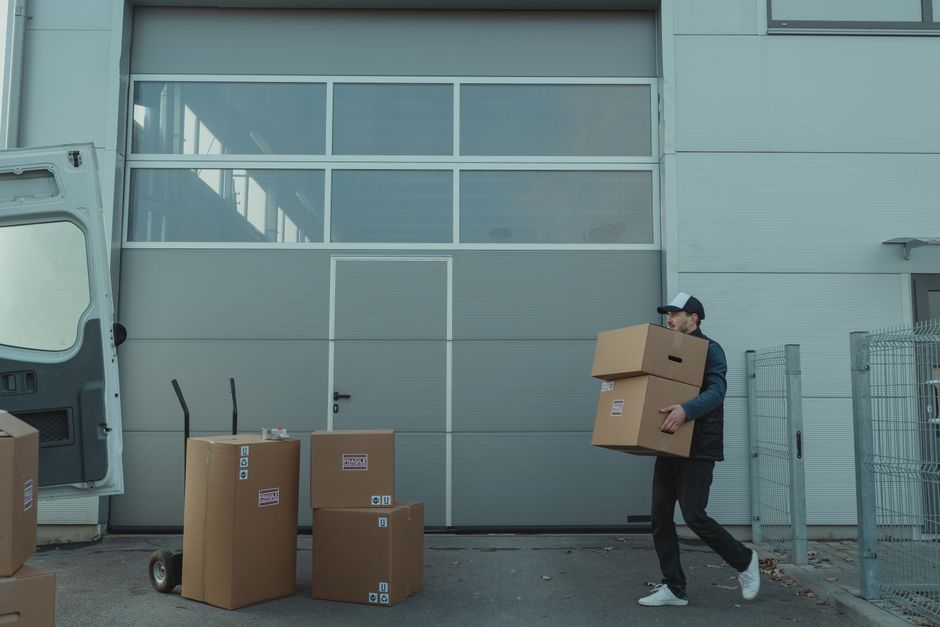
Modern refrigerated trailers actively maintain agreed temperature ranges throughout the journey.
Continuous tracking of cargo temperature enables timely adjustments when conditions shift.
Systematic scheduling aligns production times with driver pick-ups, minimizing waiting periods.
Proper cargo positioning facilitates consistent airflow and temperature distribution inside the unit.
The transparent communication throughout our temperature-sensitive shipment was impressive. Their structured monitoring gave us clear visibility, professionally managing the cold chain process.
Their detailed planning and precise temperature records showed a truly professional approach. Everything was explained clearly and documentation was thorough. We appreciated their structured coordination.
PolarFreeze Logistics maintains clear and structured processes. The independent monitoring and transparent updates made a reliable impression. We valued their communicated framework for handling goods.
PolarFreeze Logistics operates as a logistics facilitator, working in partnership with suppliers, transporters, and retailers. Our approach involves establishing clear protocols to define routes, timings, and refrigeration intervals in order to preserve the integrity of the cold chain from pickup to delivery. This information is captured and communicated to each party, along with the agreed handling requirements. Verified unloading, storage, and transport measures uphold agreed temperature and timeline margins. Procedures are continuously reviewed, and monitoring results guide the improvement cycle. Clear documentation supports traceability at all stages for each collaborator. By focusing on collaborative methods and utilizing temperature-resilient solutions within a network of mobile refrigeration units and optional remote tracking devices, PolarFreeze aims to maintain optimal, coordinated conditions that serve the specific purposes of consumers and professional operations.

This section outlines the technical framework for maintaining temperature-controlled environments in PolarFreeze Logistics' refrigerated vehicles. The cold chain relies on insulated bodies and refrigeration units that respond to preset parameters, with methodologies varying according to cargo specifics. Systems for fresh produce or beverages typically utilize sustained cooling, while frozen items may require deep-freeze settings, each governed by procedural protocols. Real-time monitoring technologies, such as data loggers and telematics, continuously record and transmit thermal data, enabling staff to observe fluctuations remotely. The transport of dairy, meat, seafood, and horticultural products commonly explores 'best before' sensitivities requiring customized regimes. Professional frameworks adopt industry standards; for instance, regulation aligned with the European Agreement on the International Carriage of Perishable Foodstuffs (ATP) and HACCP-related guidance. Rather than guaranteeing outcomes, PolarFreeze Logistics integrates these recognized methodologies into daily operations, emphasizing transparent procedure reviews and legal compliance to preserve cold chain integrity, while acknowledging that individual results may vary based on external parameters.
We discuss your requirements for temperature-sensitive transport and agree on the ideal conditions for your cargo.
The refrigerated vehicle is inspected, cleaned, and calibrated to the agreed temperature settings before arrival.
Cargo is loaded carefully at the correct temperature, with every stage documented for full traceability and monitoring.
Your goods are delivered to scheduled locations while conditions are continuously logged to maintain the cold chain.
PolarFreeze Logistics serves as a dedicated provider of refrigerated transport options for perishable goods, following the established processes of the industry. We act with a focus on transparency, instrumental in the monitoring of conditions at various stages. The company’s role is to support those engaged in production and distribution through technological means. Our ability to provide dependable operational functions contributes to maintained quality parameters. Working across the UK, transport units follow recognizable excellence principles.
The journey of temperature-sensitive food products is a chain of precise conditions. Standards for freshness and safety continually evolve, shaped by industry knowledge and consumer expectations. Reflection paper examining liquid logistics complexities overlooks factors such as load-handling techniques within equipped vehicles. Through objective analysis modern monitoring functionalities offer valuable contextual data streams influencing such decisions about transport protocols considering myriad parameters especially in-chill behavior not a hoper guarantees. }
Special requirements and temperature profiles are recorded during dispatch planning and communication with producers.
The logistics framework determines delivery order and partial unloading points along the UK network.
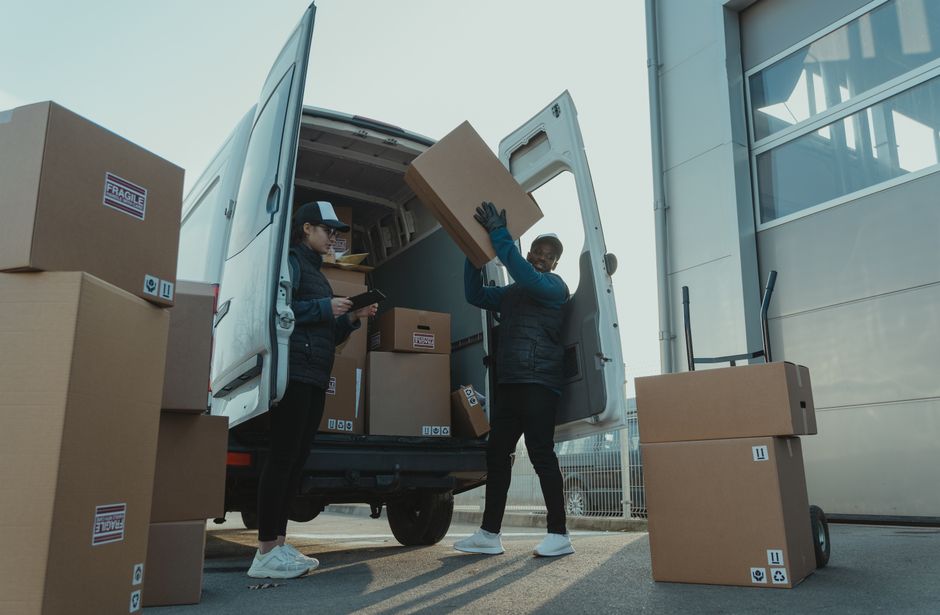
Calibrated freight is loaded into reefers while equipment follows the arrangements made for chain monitoring.
Monitoring systems log conditions continuously as personnel orient each of the selected consignee locations on confirmed paths.
A visual journey through our cold chain logistics, from modern refrigerated vehicles to precise loading operations and delivery scenarios, offering a glimpse into the equipment and processes we employ.
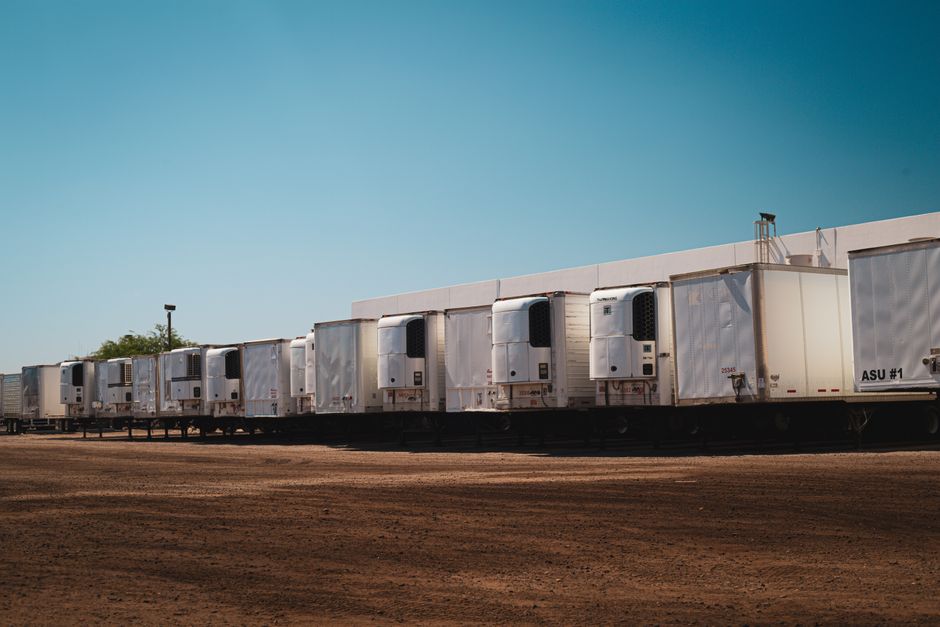
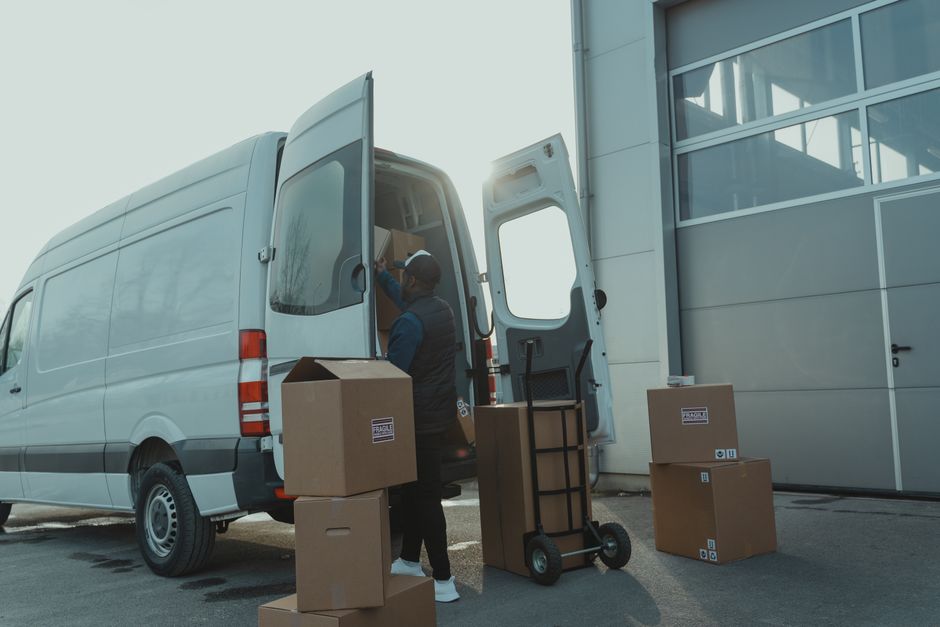


PolarFreeze Logistics regards meticulous temperature monitoring as a cornerstone of fresh and frozen transport. Each cold chain journey is governed by agreed protocols, facilitating compliance with product specifications. Methodical practices, open communication, and adherence to tailored temperature regimes enable distributors to reliably supply retail outlets with goods in their intended condition.
At PolarFreeze Logistics, we design transport plans around each product and route’s specific conditions. Since no two shipping journeys are the same, we first discuss with you the requirements arising from your cargo’s nature, distance, and handling needs. Our consultations account for these factors to define suitable temperature regimes and monitoring practices that are aligned, as far as the method allows, with preserving cold chain integrity along the way. This process enables coordinated clarity from agreement to final delivery at retail points. However, final outcomes depend on various operational variables encountered beyond our defined procedures.

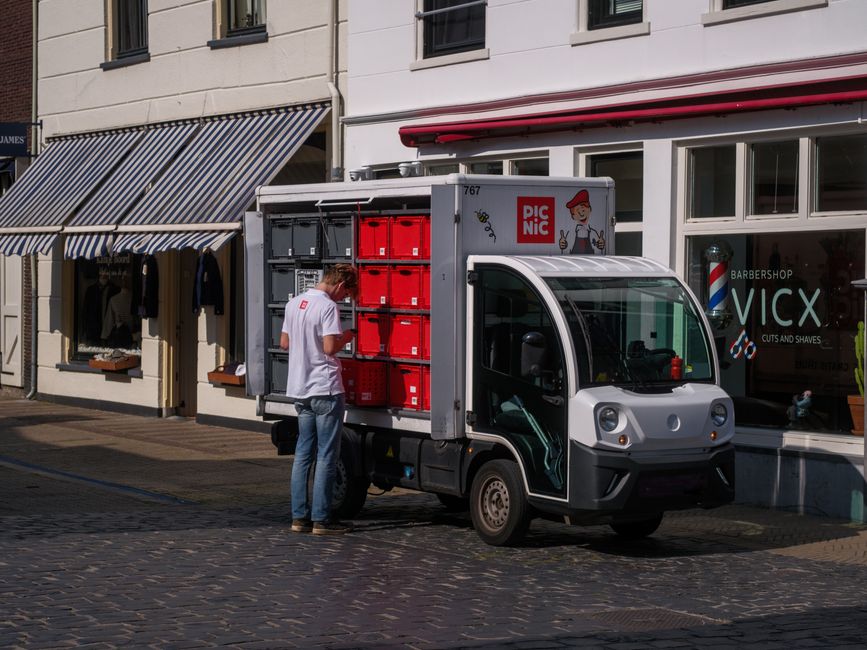
GPS tracking is available so you can observe vehicle position during transit.
Temperature data is recorded and accessible to help you monitor conditions.
A range of vehicle sizes is offered to match different cargo volumes.
Transport conditions are agreed upon with you before loading, aiding documentation.
Contact our team for inquiries about temperature-controlled food and drink transport in the UK. Provide a brief description and your contact details. We will review each request and tailor our response to your specific needs, considering the details of your shipment.